When sourcing a quick dry golf polo manufacturer for your brand, quality and reliability are non-negotiable.
A golf polo is more than just a shirt. It’s a statement of quality, performance, and style. For brands looking to enter the golf apparel market or expand their existing line, choosing the right quick-dry golf polo manufacturer is one of the most important decisions you’ll make.
Here’s a comprehensive guide to help you evaluate suppliers and find the perfect quick-dry golf polo for your brand.
What Makes a Golf Polo “Quick-Dry”?
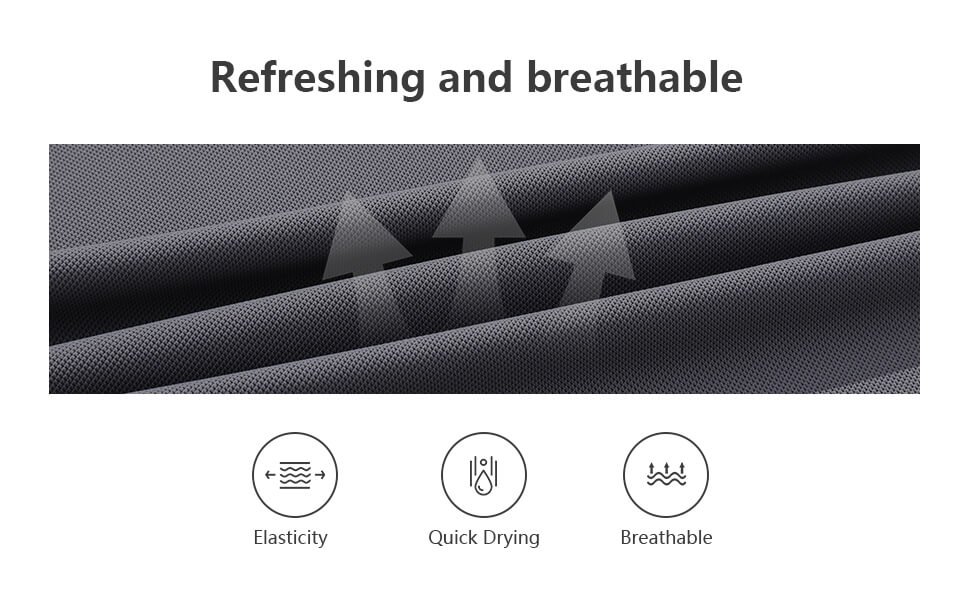
Quick-dry technology refers to the fabric’s ability to wick moisture away from the skin and evaporate it quickly. This keeps the wearer cool, dry, and comfortable — even during hot summer rounds or intense practice sessions.
Key quick-dry fabric properties:
| Property | Description | Why It Matters |
|---|---|---|
| Moisture-Wicking | Pulls sweat away from the skin | Keeps the body dry and comfortable |
| Breathability | Allows air to circulate | Prevents overheating during play |
| Fast-Drying | Evaporates moisture rapidly | Reduces cling and chafing |
| UV Protection | Blocks harmful sun rays | Protects skin during long outdoor rounds |
Key Features to Look For in a Quick Dry Golf Polo Manufacturer
1. Fabric Composition
The most common quick-dry golf polo fabrics are polyester and polyester blends:
| Fabric | Composition | Best For |
|---|---|---|
| 100% Polyester | 100% synthetic | Most durable, best moisture-wicking, ideal for hot climates |
| Polyester-Spandex | 90-95% Polyester, 5-10% Spandex | Great stretch, comfortable fit, excellent recovery |
| Polyester-Cotton | 50-65% Polyester, 35-50% Cotton | Soft feel, more breathable, less durable |
| Recycled Polyester | 100% recycled synthetic | Eco-friendly, meets sustainability standards |
Recommended for golf: Polyester-Spandex blend offers the best balance of performance, comfort, and durability.
2. Fabric Weight
Golf polos come in different weights, suitable for different seasons:
| Weight | GSM Range | Best For |
|---|---|---|
| Lightweight | 130–160 GSM | Summer, hot climates, high activity |
| Midweight | 160–200 GSM | All-season, versatile wear |
| Heavyweight | 200+ GSM | Winter, cooler climates, premium feel |
Recommended for golf: Lightweight to midweight (140–180 GSM) for year-round comfort.
3. Fit and Silhouette
Golf polos typically come in three fit types:
| Fit Type | Description | Best For |
|---|---|---|
| Classic/Traditional | Relaxed, roomier fit | Older demographic, casual courses |
| Athletic/Tailored | Fitted through the torso and arms | Younger golfers, active players |
| Slim Fit | Very fitted, modern silhouette | Fashion-forward brands, younger demographic |
Recommended for golf: Athletic/Tailored fit — appeals to the widest audience while maintaining a professional look.
4. Collar Construction
The collar is one of the most important visual elements of a golf polo:
| Collar Type | Description | Best For |
|---|---|---|
| Ribbed Knit Collar | Traditional textured collar, holds shape well | Classic look, formal courses |
| Flat Knit Collar | Smooth, modern collar | Contemporary brands, younger demographic |
| Self-Fabric Collar | Same fabric as the body, softer feel | Casual wear, less structured |
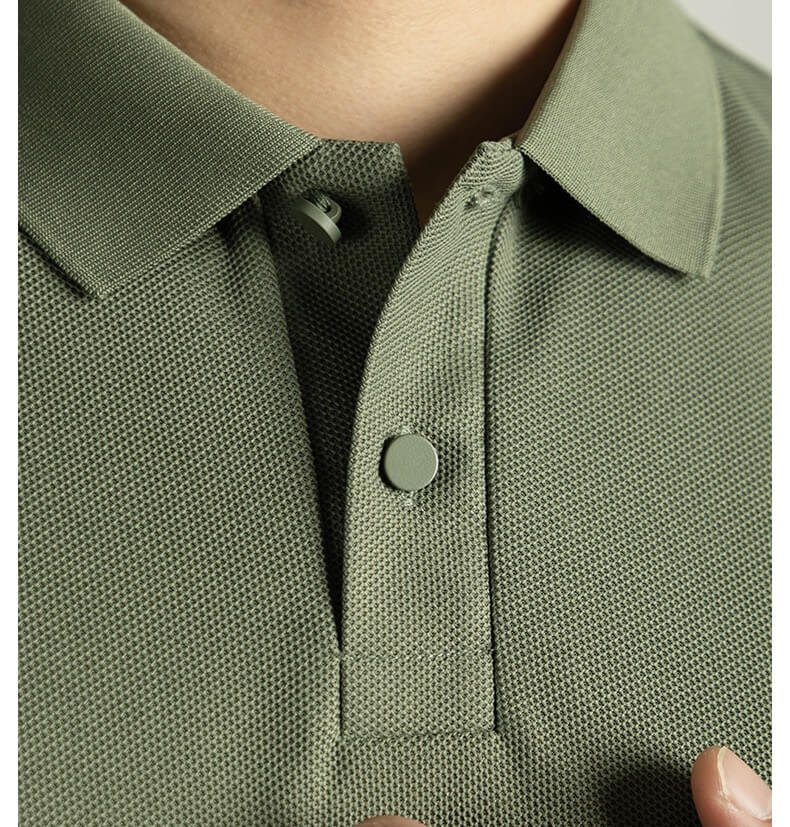
Recommended for golf: Ribbed knit collar — professional, holds shape, and stays crisp after washing.
5. Placket and Buttons
The placket style affects the overall look and functionality:
| Placket Type | Description | Best For |
|---|---|---|
| Full Button | 3-4 buttons, full opening | Traditional, formal look |
| Mock Placket | No buttons, but has placket detailing | Modern, minimalist look |
| Zipper Placket | Zipper instead of buttons | Sporty, contemporary brands |
Recommended for golf: Full 3-button placket — professional, classic, and functional.
Side-by-Side Comparison
| Feature | Budget Option | Mid-Range Option | Premium Option |
|---|---|---|---|
| Fabric | 100% Polyester | 92% Polyester, 8% Spandex | 88% Recycled Polyester, 12% Spandex |
| Weight | 130 GSM | 160 GSM | 180 GSM |
| Fit | Classic | Athletic | Tailored |
| Collar | Self-Fabric | Ribbed Knit | Ribbed Knit + Collar Stays |
| Placket | 2-Button | 3-Button | 3-Button + Hidden Button |
| UV Protection | UPF 15+ | UPF 30+ | UPF 50+ |
| MOQ | 500+ pieces | 200+ pieces | 100+ pieces |
| Price Range | $6–$10 | $10–$16 | $16–$25 |
Customization Options for Your Brand
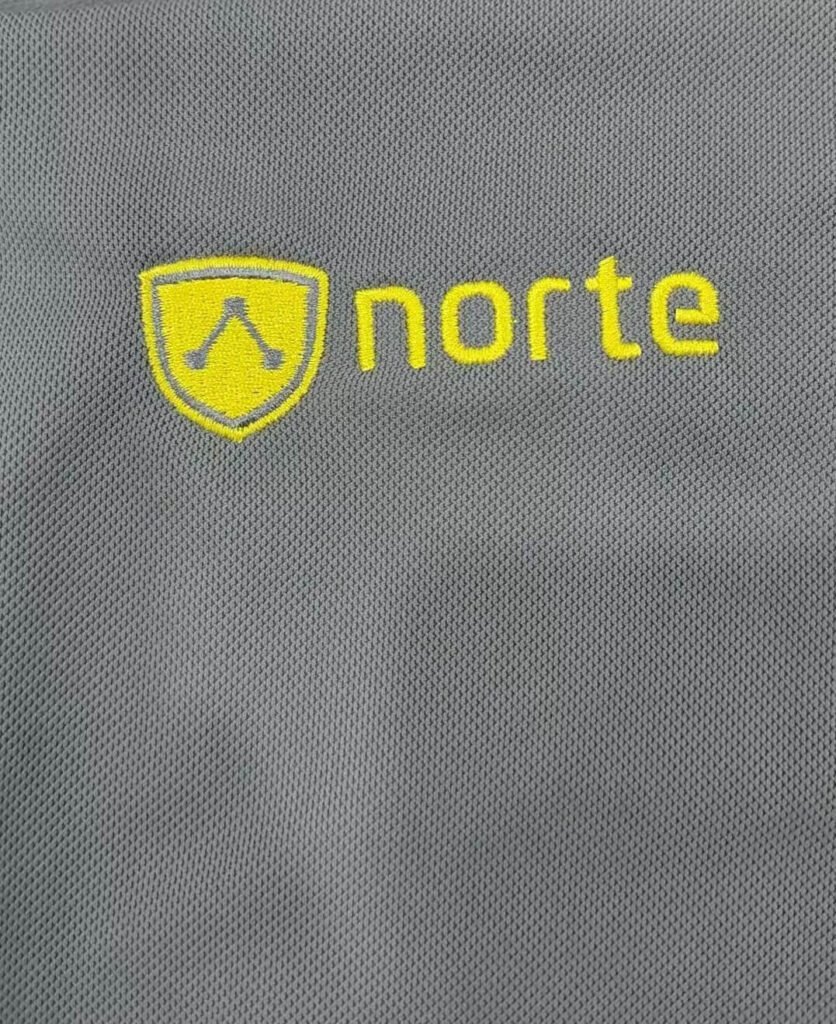
When sourcing quick-dry golf polos, consider these customization options:
| Customization | Description | Best For |
|---|---|---|
| Logo Placement | Chest, sleeve, back collar, or custom positioning | Brand visibility and recognition |
| Logo Method | Embroidery, screen print, heat transfer, or sublimation | Different budgets and design requirements |
| Color Matching | Pantone color matching for exact brand colors | Brand consistency and professional appearance |
| Labeling | Woven tags, printed tags, or custom hang tags | Brand identity and retail presentation |
| Packaging | Branded poly bags, boxes, or gift boxes | Retail presentation and customer experience |
Quality Control Checklist
Before committing to bulk production, ensure your supplier meets these quality standards:
| Check | What to Verify | Pass/Fail |
|---|---|---|
| Fabric Quality | Feel, weight, stretch, colorfastness | ☐ |
| Stitching | Straight seams, no loose threads, consistent tension | ☐ |
| Collar | Holds shape, sits flat, no curling | ☐ |
| Buttons | Securely attached, matches fabric color | ☐ |
| Labeling | Correct size, care instructions, brand tags | ☐ |
| Packaging | Clean, professional, no damage | ☐ |
Common Mistakes to Avoid
| Mistake | Why It’s a Problem |
|---|---|
| Choosing Fabric Without Testing | What looks good on a swatch may not perform well on the course |
| Ignoring MOQ Requirements | Committing to more than you can sell strains cash flow and inventory |
| Overlooking Sample Quality | Samples reveal stitching quality, fabric performance, and fit accuracy |
| Not Visiting the Factory | Photos can be misleading — verify production capability in person or virtually |
| Choosing the Cheapest Supplier | Lower cost often means lower quality, higher defect rates, and delivery delays |
When to Transition from ODM to Custom Designs
Many golf apparel brands start with ODM (existing factory designs) and move to custom designs as they grow:
| Stage | Model | Why |
|---|---|---|
| Years 1–2 | ODM (existing designs) | Test market demand, prove concept, build cash flow |
| Years 2–3 | ODM + 1–2 custom designs | Build differentiation without overcommitting |
| Year 3+ | Custom designs | Own the product, build brand equity, protect margins |
Quick Reference Card
| Factor | Recommended for Golf Polos |
|---|---|
| Fabric | 92% Polyester + 8% Spandex (or similar blend) |
| Weight | 140–180 GSM |
| Fit | Athletic/Tailored |
| Collar | Ribbed knit |
| Placket | 3-button full placket |
| UV Protection | UPF 30+ minimum |
| MOQ for Custom | 100–300 pieces per color |
| Sample Timeline | 7–14 days |
| Bulk Timeline | 30–45 days |
Next Steps
- Define your target price point — Determine your budget and margin expectations
- Choose your customization level — ODM, OEM, or a hybrid approach
- Request samples from 2–3 suppliers — Compare quality, feel, and color accuracy
- Test sample performance — Wash, wear, and evaluate after multiple uses
- Place a small test order — Validate market demand before large commitments
Ready to source custom quick-dry golf polos for your brand? JL Performance offers OEM/ODM solutions with low MOQ, fast sampling, and quality manufacturing. JL Performance is a trusted quick dry golf polo manufacturer Contact us today to discuss your project.