
If you’ve ever wondered, ‘is polyester good for running?’—the answer is yes. If you’ve ever looked at a running shirt tag, you’ve probably seen it: 100% polyester. It’s the most common fabric in running apparel—but is it actually good for running?
The short answer: Yes, polyester is excellent for running. It’s lightweight, moisture-wicking, quick-drying, and durable. But the full answer is a bit more nuanced. The type of polyester, the fabric construction, and how it’s blended all affect performance.
This guide breaks down everything you need to know—whether you’re a runner choosing your next shirt or a brand sourcing performance apparel.

Is Polyester Good for Running?
Yes, polyester is one of the best fabrics for running. Here’s why:
| Property | Why It Matters for Running |
|---|---|
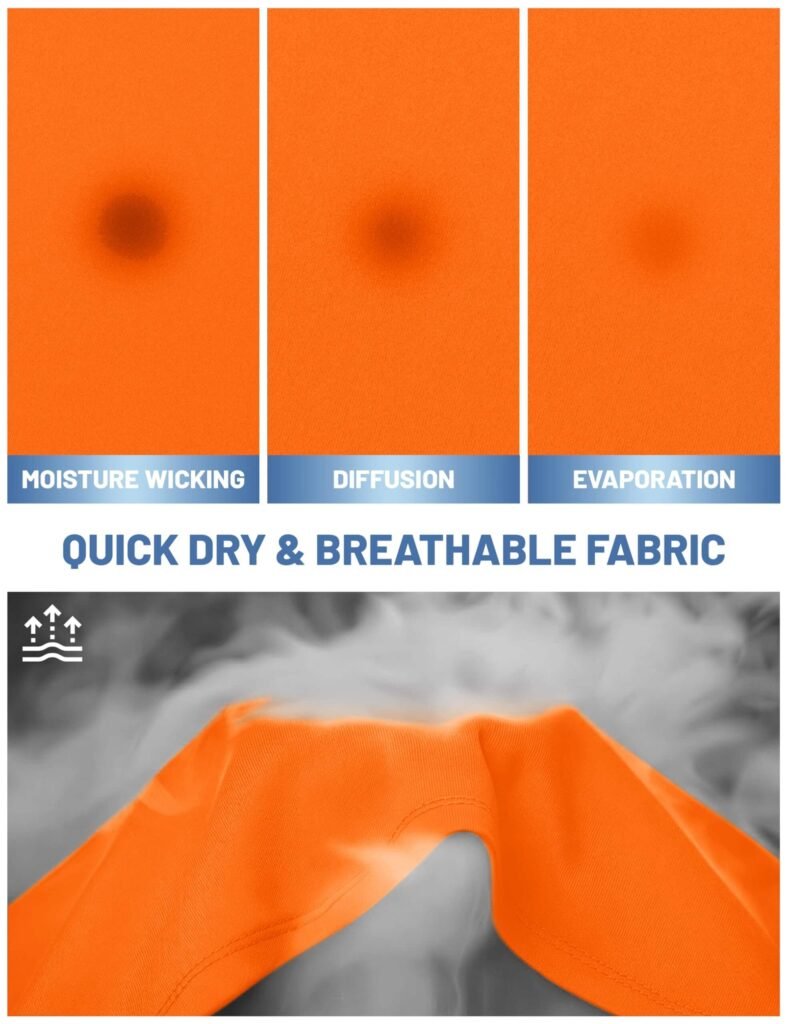
| Moisture-wicking | Pulls sweat away from your skin to the fabric surface, where it evaporates quickly |
| Quick-drying | Dries in minutes, not hours—critical for comfort during and after a run |
| Lightweight | Doesn’t weigh you down or trap heat |
| Durable | Withstands repeated washing and wear without losing shape |
| Affordable | More cost-effective than merino wool or premium nylon blends |
The key benefit: Polyester keeps you dry. Unlike cotton, which absorbs sweat and stays wet, polyester moves moisture away from your body so it can evaporate. This helps regulate your body temperature and prevents chafing.
Why Polyester Works for Running
To understand why the answer to ‘is polyester good for running’ is yes, let’s look at the science.For a deeper look at running fabrics, check out our Custom Running Wear Fabric Guide.
Moisture Management
Sweat is your body’s cooling system. But if sweat stays trapped against your skin, it can’t evaporate—and you don’t cool down. Polyester’s hydrophobic fibers push sweat to the surface of the fabric, where airflow and body heat cause it to evaporate quickly.
What this means for runners:
- You stay drier and more comfortable
- Less chafing and irritation
- Better temperature regulation
Quick-Drying Performance
Polyester absorbs very little water. This means it dries incredibly fast—often within minutes of a run or a wash. Cotton, by contrast, can stay wet for hours.
Why it matters:
- You can wear the same shirt multiple times between washes (if needed)
- Post-run, you don’t stay in wet fabric
- Travel-friendly (wash in the sink, hang to dry, ready by morning)
Durability
Polyester is strong and resistant to stretching, shrinking, and wrinkling. It holds its shape and color after repeated washing—making it a reliable choice for everyday training.
Lightweight Comfort
Most running shirts are made from lightweight polyester (120–160 gsm). This fabric is breathable and doesn’t trap heat, making it ideal for warm-weather running.
Potential Downsides of Polyester (And How to Address Them)
No fabric is perfect. Here are the common concerns with polyester—and how to handle them:
| Concern | Why It Happens | How to Address It |
|---|---|---|
| Can feel less soft | Standard polyester can feel synthetic against the skin | Look for brushed or textured finishes, or blends with spandex |
| Can retain odor | Polyester is oleophilic (attracts oils), which can trap odor | Look for anti-odor treatments, or wash regularly |
| Not biodegradable | Synthetic fibers don’t break down naturally | Choose recycled polyester (rPET) for a more sustainable option |
| Can feel clammy in high humidity | If the fabric doesn’t breathe, moisture can stay trapped | Choose open-knit or mesh constructions for better airflow |
Bottom line: The downsides are manageable with the right fabric choice and construction. For most runners, polyester’s benefits far outweigh its drawbacks.
Polyester vs Other Running Fabrics
How does polyester compare to other common running fabrics?
| Fabric | Moisture-Wicking | Drying Speed | Softness | Durability | Cost |
|---|---|---|---|---|---|
| Polyester | ⭐⭐⭐⭐⭐ | ⭐⭐⭐⭐⭐ | ⭐⭐⭐ | ⭐⭐⭐⭐⭐ | Low |
| Nylon-Spandex | ⭐⭐⭐⭐ | ⭐⭐⭐⭐ | ⭐⭐⭐⭐⭐ | ⭐⭐⭐⭐ | Medium |
| Merino Wool | ⭐⭐⭐⭐ | ⭐⭐⭐ | ⭐⭐⭐⭐⭐ | ⭐⭐⭐ | High |
| Cotton | ⭐ | ⭐ | ⭐⭐⭐⭐ | ⭐⭐⭐ | Low |
Summary:
Cotton should be avoided for running.
Polyester is the best all-around choice for most running.
Nylon-spandex is softer and more comfortable for premium or fitted styles.
Merino wool is excellent for cold weather and odor resistance.
What to Look for in a Polyester Running Shirt
Not all polyester running shirts are created equal. Here’s what to look for:
| Feature | What It Means | Why It Matters |
|---|---|---|
| Fabric weight | 120–160 gsm is ideal for most running | Lighter = more breathable; heavier = more durable |
| Moisture-wicking finish | Look for Dri-FIT or similar technology | Enhances the fabric’s natural wicking properties |
| Flatlock seams | Seams lie flat against the skin | Reduces chafing during long runs |
| Mesh panels | Strategic ventilation in high-sweat zones | Improves airflow and cooling |
| Anti-odor treatment | Prevents odor buildup | Keeps the shirt fresher between washes |
| UPF rating | 30+ for sun protection | Protects against UV radiation on long outdoor runs |
| Recycled content | Made from recycled plastic bottles | More sustainable choice |
Look for OEKO-TEX Standard 100 certification to ensure fabrics meet international safety standards.
How to Source Polyester Running Shirts for Your Brand
If you’re a brand looking to source custom running shirts, here’s what to prioritize:
| Factor | What to Look For |
|---|---|
| Fabric composition | 100% polyester or polyester-spandex blend |
| Fabric weight | 120–160 gsm for lightweight performance |
| Moisture-wicking | Documented wicking rate or finish |
| Seam construction | Flatlock seams to prevent chafing |
| Certifications | OEKO-TEX Standard 100 for safety |
| Sample testing | Test for wicking, drying time, and comfort |
Questions to ask your manufacturer:
- “Is this fabric 100% polyester or a blend?”
- “What is the GSM of this fabric?”
- “Does it have a moisture-wicking finish?”
- “Are the seams flatlock?”
- “Can you provide fabric test reports?”
Quick Reference Checklist
Before buying or sourcing a polyester running shirt, confirm:
- □ Fabric is 100% polyester or a polyester-spandex blend
- □ Fabric weight is 120–160 gsm
- □ Moisture-wicking finish is included
- □ Seams are flatlock (not standard overlock)
- □ Anti-odor treatment is present (optional)
- □ UPF rating is 30+ (optional)
- □ Sample has been tested for comfort and performance
We hope this guide answers your question: is polyester good for running? Yes—and it’s one of the best choices for performance apparel.Ready to source polyester running shirts for your brand? We specialize in custom running apparel with expertise in performance fabrics and fit. Contact us to discuss your requirements →